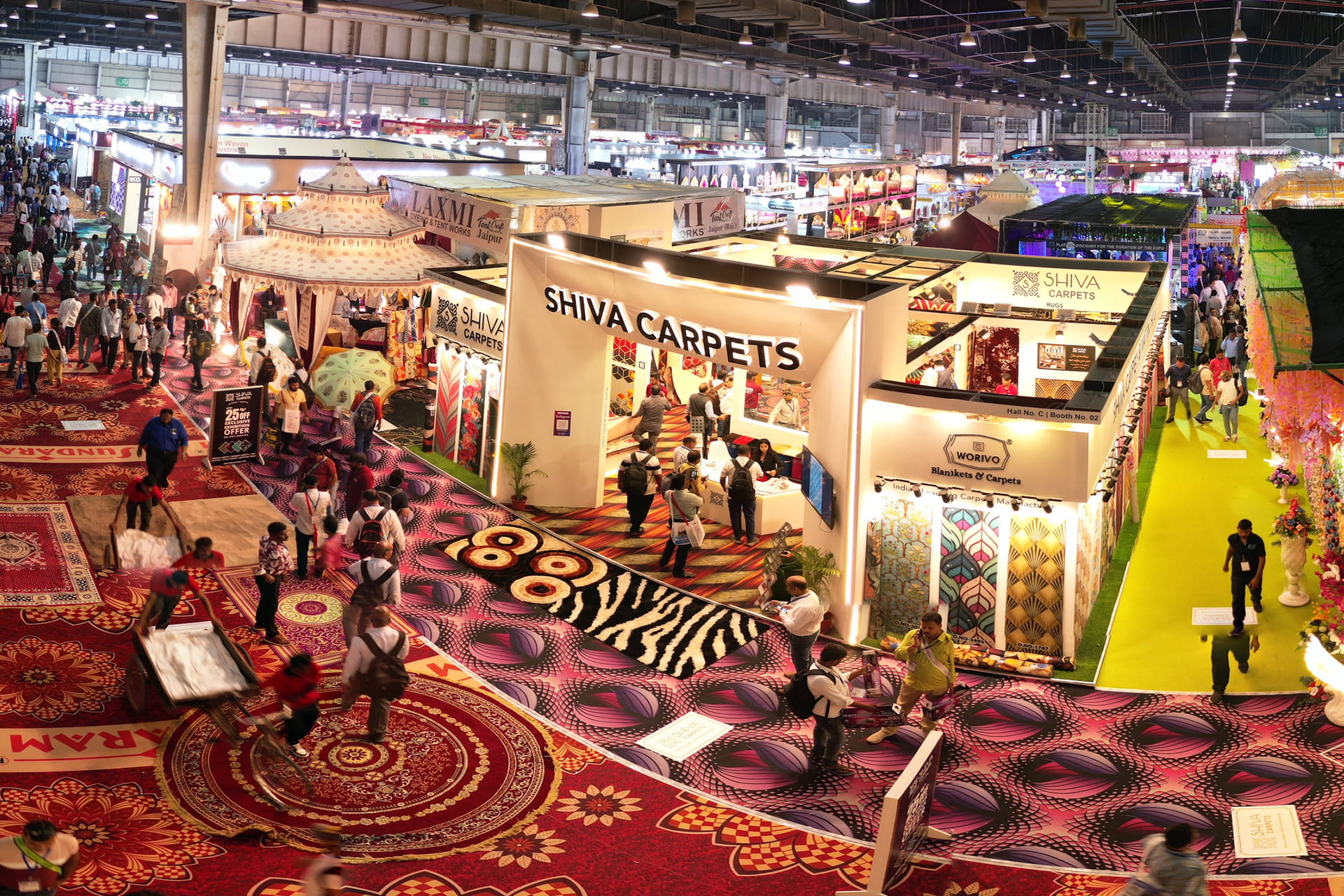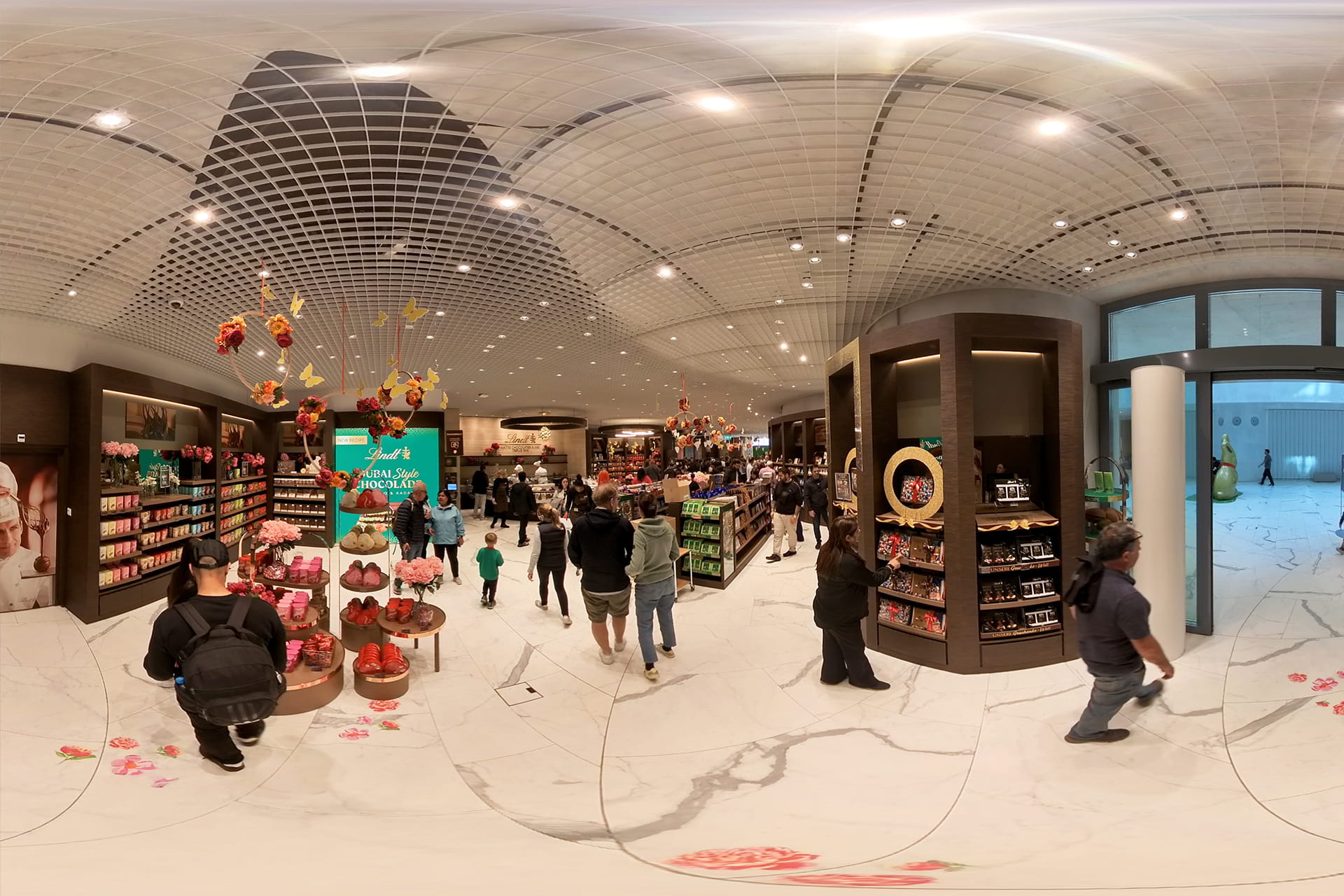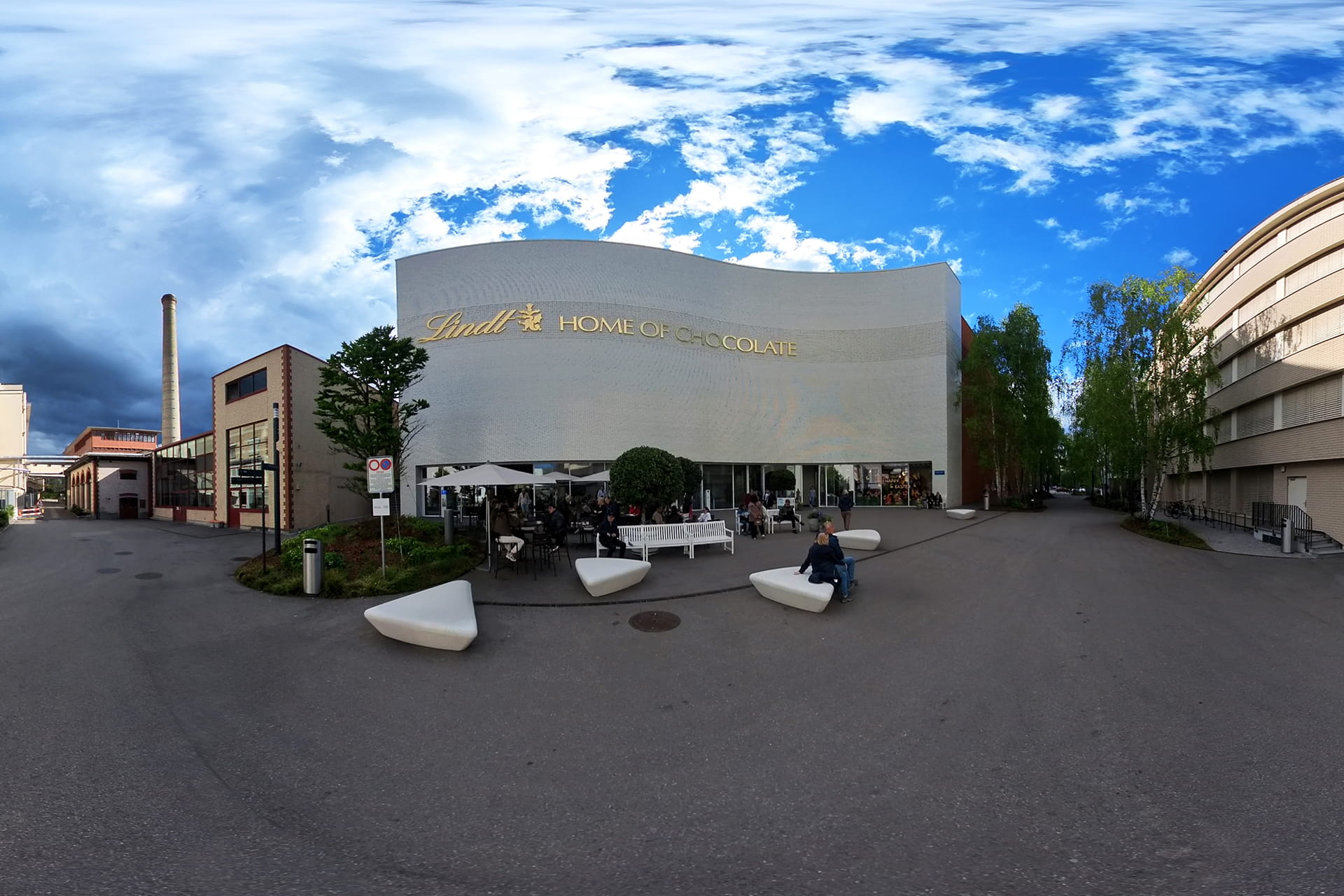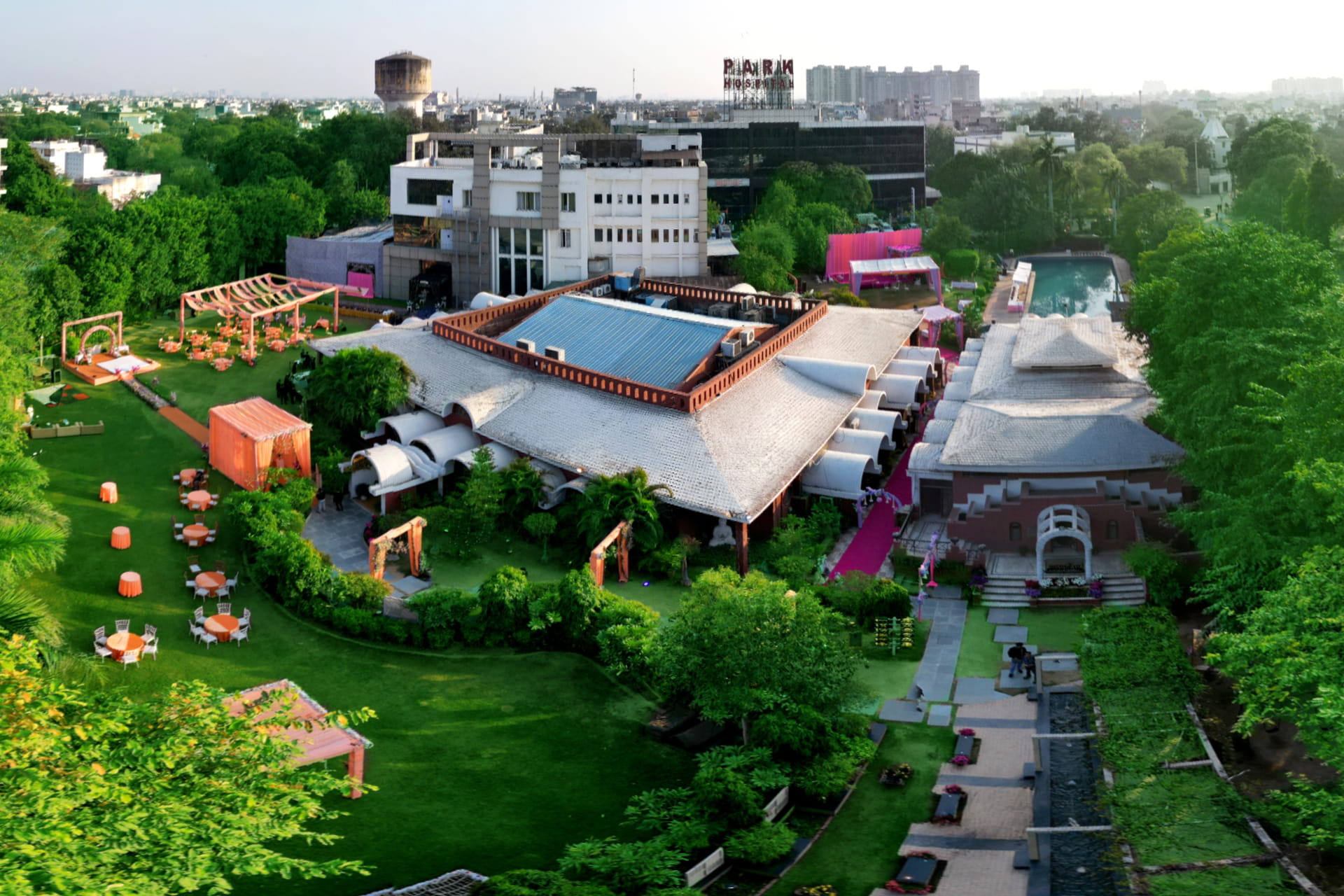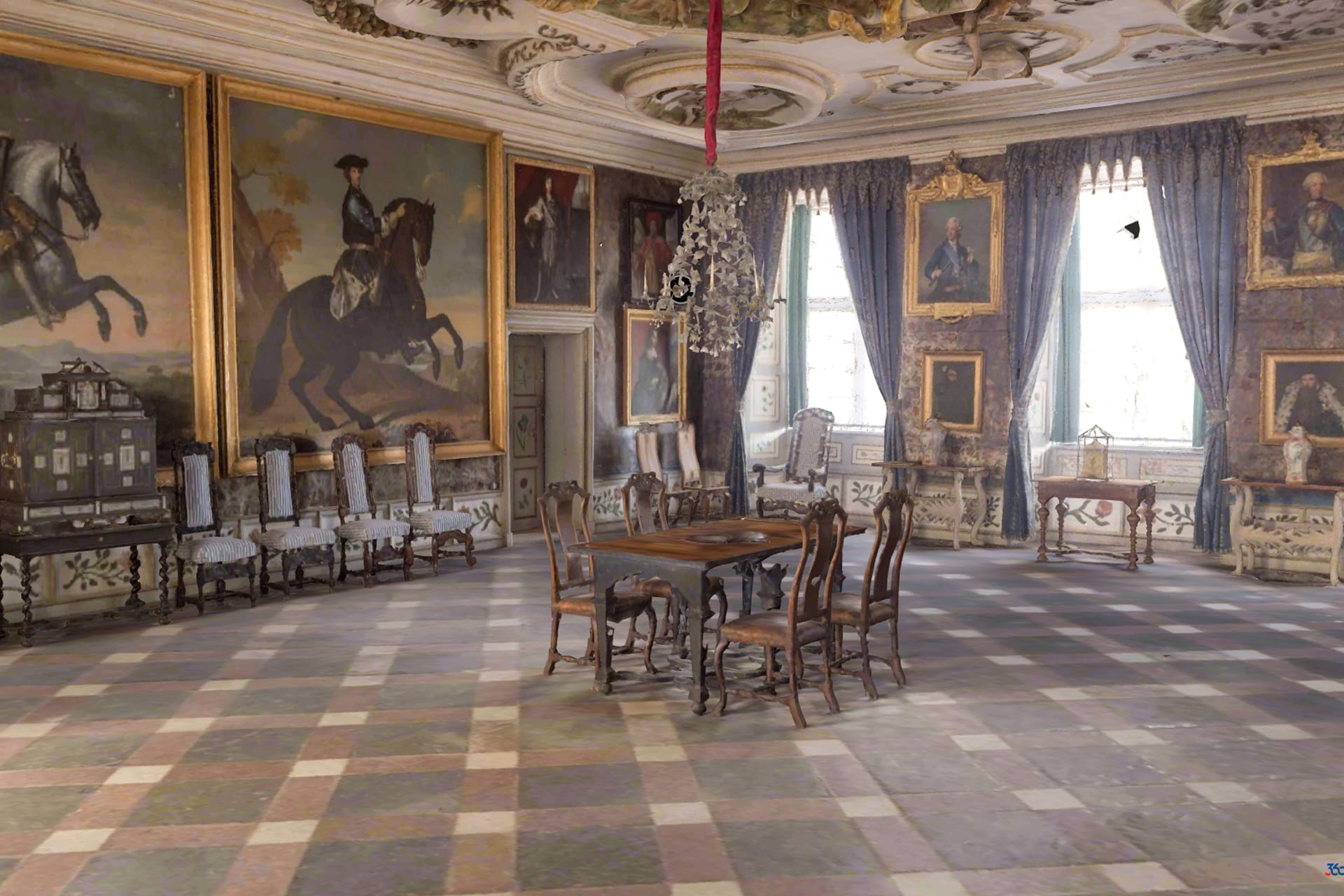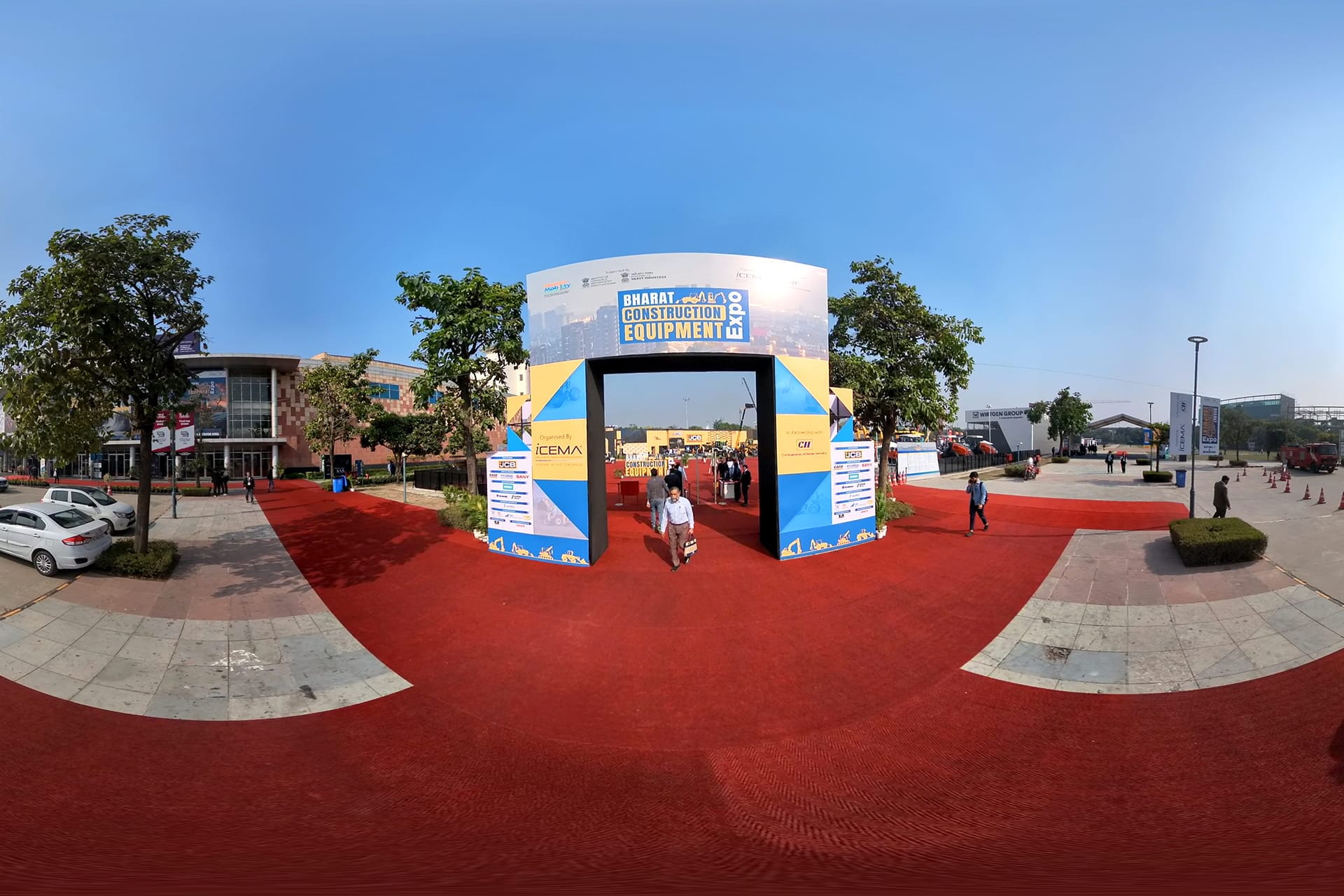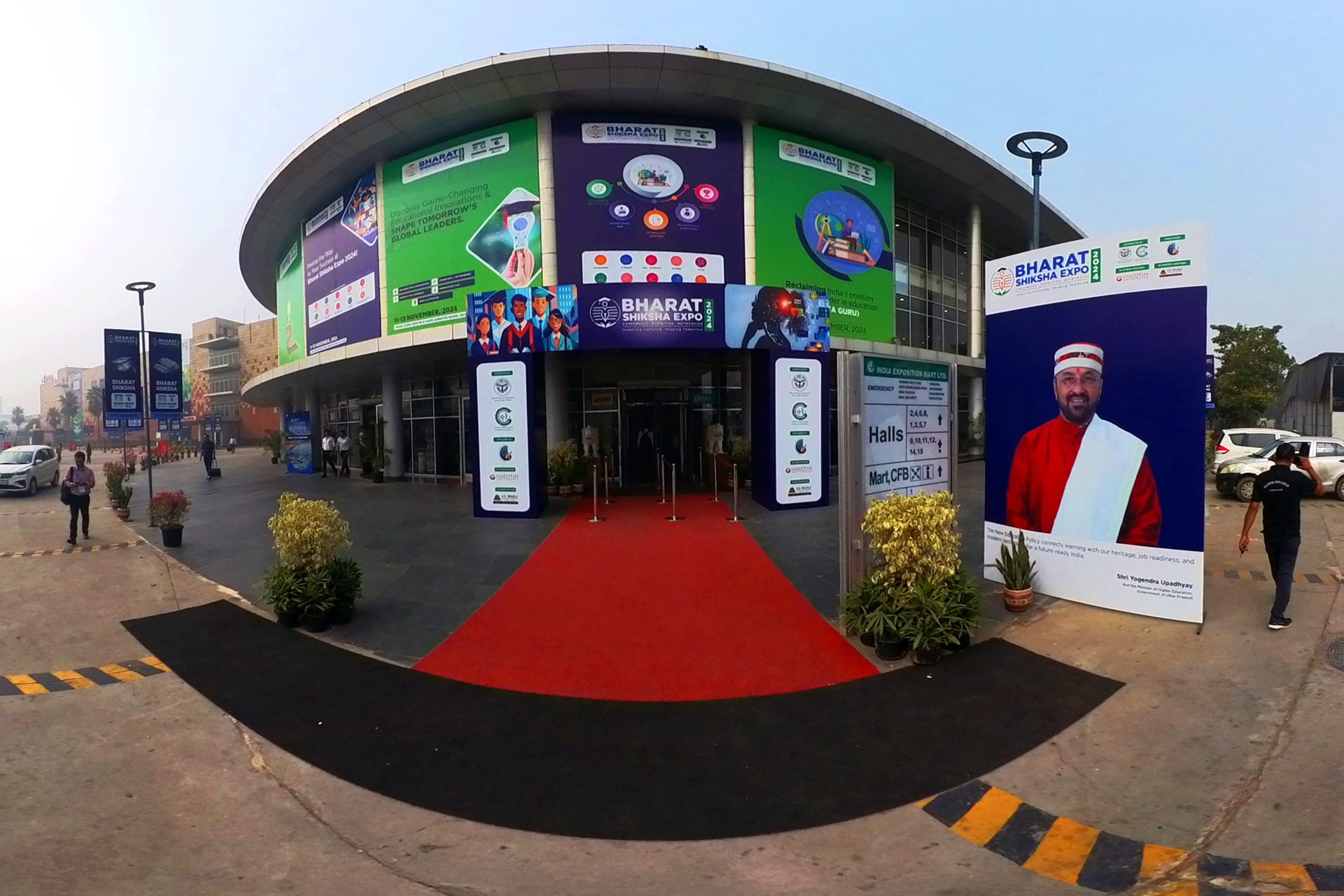

Virtual tours are no longer a luxury - they’re an expectation. From real estate listings to hotel bookings and retail showrooms, 360 virtual tours have become a must-have digital marketing tool.But if you’re a business owner, you may be wondering:
👉 Should I create a 360 virtual tour myself (DIY), or should I hire professionals?Both approaches have their advantages and drawbacks. In this article, we’ll break down the pros, cons, costs, and a practical checklist to help you decide the right path for your business.
What is 360 Virtual Tour Development?
A 360 virtual tour isn’t just about taking a panoramic photo. The development process typically includes:- Capturing 360° images or videos with specialized cameras
- Stitching and editing them into seamless panoramas
- Adding interactive features like hotspots, info tags, or booking buttons
- Hosting the tour online and ensuring cross-device compatibility
- Ongoing updates and maintenance
DIY 360 Virtual Tour Development
Pros of DIY
- Lower Initial Cost
- Using affordable cameras like Ricoh Theta or Insta360, you can start small.
- No professional service fees.
- Full Creative Control
- You decide the flow, hotspots, and overall design.
- Great for experimenting with different layouts.
- Faster for Small Projects
- If you just need a quick tour for one property or room, DIY can be efficient.
Cons of DIY
- Equipment Investment
- Professional DSLR rigs with fisheye lenses cost upwards of ₹50,000–₹1,00,000.
- Even basic 360 cameras start at ₹30,000+.
- Steep Learning Curve
- Stitching, editing, and retouching require technical skills.
- Mistakes like uneven lighting or poor stitching can break immersion.
- Limited Professional Polish
- DIY tours often lack branding, custom UI, and smooth navigation.
- Feature Limitations
- Advanced features like AR/VR integration, custom branding, or analytics are usually missing in DIY tools.
Professional 360 Virtual Tour Development
Pros of Professional Services
- High-Quality Visuals
- Skilled photographers and editors deliver polished, seamless tours.
- Advanced Features
- Hotspots, menus, floor plans, video embeds, voiceovers, and VR/AR compatibility.
- End-to-End Support
- From planning and shooting to editing, hosting, and updates - everything is handled.
- Saves Time & Effort
- Businesses can focus on sales and operations instead of technical setup.
Cons of Professional Services
- Higher Upfront Cost
- Professional packages in India range from ₹10,000 to ₹1,50,000+, depending on complexity.
- Dependence on Vendor
- You rely on their timelines and availability.
- Ongoing Costs
- Hosting, updates, or licensing fees may apply depending on the provider.
Cost Comparison – DIY vs Professional
DIY Costs:- Camera: ₹30,000–₹80,000
- Tripod & accessories: ₹5,000–₹10,000
- Software licenses: ₹5,000–₹20,000 annually
- Hosting: ₹5,000–₹15,000 per year
- Small projects: ₹10,000–₹25,000
- Medium projects: ₹25,000–₹75,000
- Enterprise projects: ₹1,50,000+
DIY vs Professional 360 Virtual Tour Development – Comparison Table
| Criteria | DIY Development | Professional Development |
| Cost | One-time equipment investment: ₹45,000–₹1,20,000 (camera, tripod, software, hosting) | Project-based packages: ₹10,000 – ₹1,50,000+ depending on scope |
| Quality | Depends on your skills; may have stitching errors, poor lighting, limited polish | High-quality visuals with advanced editing, retouching, branding |
| Features | Basic navigation; limited interactivity | Advanced hotspots, floor plans, videos, CTAs, VR/AR compatibility |
| Time & Effort | Steep learning curve; requires your time for shooting, editing, hosting | Saves time - handled end-to-end by experts |
| Flexibility | Full creative control; freedom to experiment | Structured process; limited flexibility once scope is fixed |
| Scalability | Difficult to scale for large projects | Easily scalable for multiple locations and enterprise projects |
| Support | Self-managed; troubleshooting is on you | Ongoing support, updates, and maintenance available |
Checklist: Which Option is Right for You?
Ask yourself these questions:- Budget: Can I afford a professional service, or do I want to start lean?
- Scale: Is this a one-time project or ongoing requirement?
- Skills: Do I have the technical know-how to edit and host tours?
- Quality Needs: Do I need advanced features (branding, VR, analytics)?
- Time: Can I dedicate hours to learning and maintaining, or is outsourcing better?
Hybrid Approach: The Best of Both Worlds
Some businesses adopt a hybrid model:- Start with DIY tours for small properties or trial projects.
- Switch to professional services for flagship properties, large hotels, or important campaigns.
Conclusion
When it comes to DIY vs professional 360 virtual tour development, the choice depends on your goals, budget, and technical comfort.- DIY is cheaper and gives control, but may lack quality and features.
- Professional services deliver premium results and save time, but at a higher cost.
Get in Touch
Whether you want to develop a new 360 Virtual Tour, 3D Product Display, 360 Product Spin Photography, Google 360 Street View or update an existing 360 Virtual Tour, we're eager to assist.
+91-9999896100 | info@360biznus.com
Send Us a Message
Portfolio
Browse All Portfolio