
Augmented Reality (AR) and Mixed Reality (MR) are rapidly evolving technologies, shaping the future of business, education, healthcare, retail, and entertainment. Staying ahead of emerging trends ensures that companies leverage these technologies effectively to deliver immersive and engaging experiences.
This blog explores the top AR/MR development trends to watch in 2025, helping businesses and developers plan for the future.
1. AI-Powered AR and MR Experiences
- Intelligent Interactions: AI enables AR/MR apps to recognize objects, predict user behavior, and personalize experiences.
- Enhanced Virtual Assistance: AI-powered AR/MR assistants guide users through navigation, shopping, or training.
- Data-Driven Insights: Integrate AI analytics to track user engagement and optimize experiences.
2. WebAR and Cloud-Based MR
- Browser-Based Experiences: WebAR allows users to access AR content without app installation, increasing adoption.
- Cloud Rendering: MR content is hosted and processed in the cloud, reducing device limitations.
- Scalable Solutions: Businesses can deploy updates and enhancements seamlessly across platforms.
3. AR/MR in Remote Collaboration
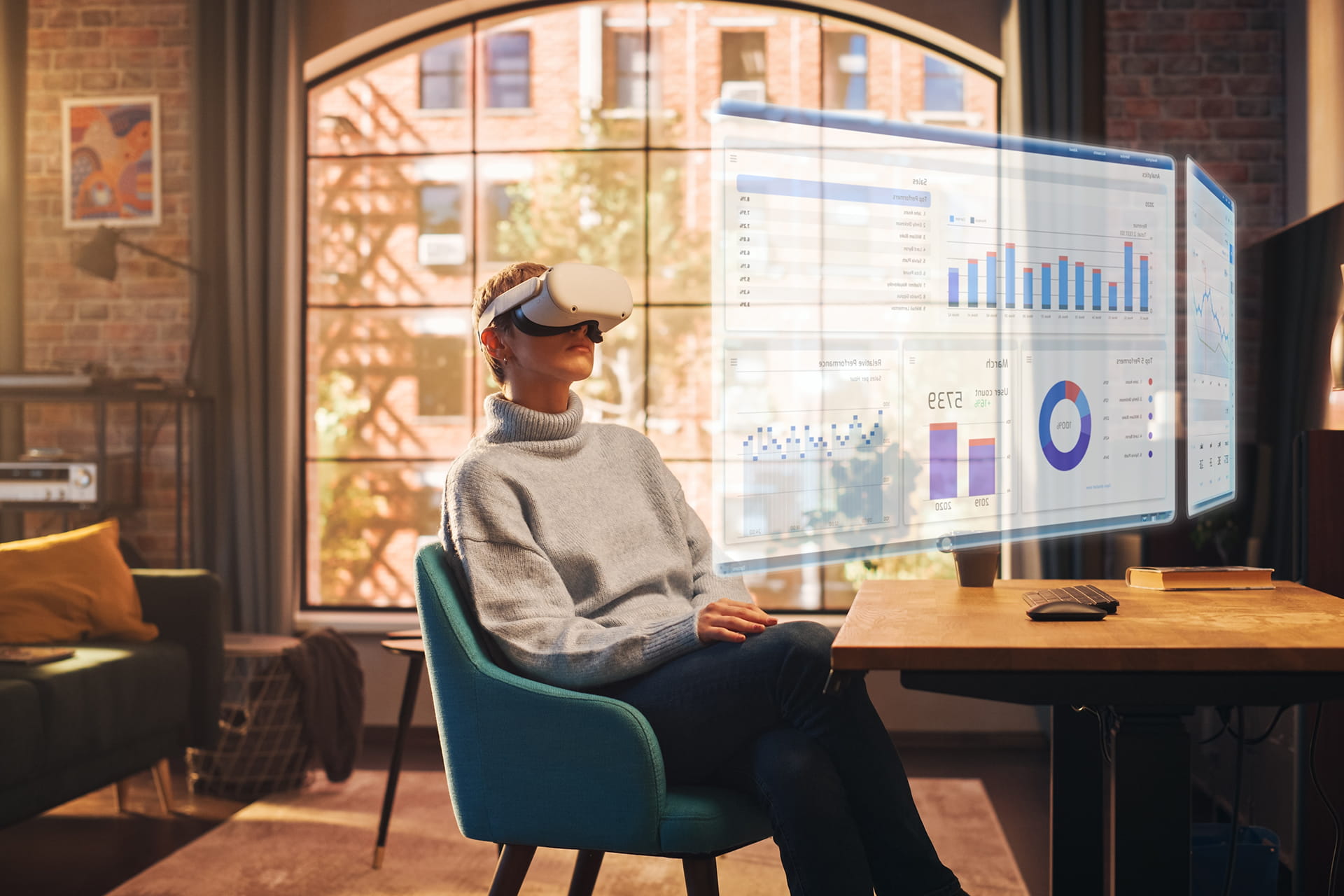
- Virtual Workspaces: MR enables teams to collaborate in shared virtual environments, enhancing productivity.
- Remote Training: Employees receive hands-on training virtually, reducing travel and setup costs.
- Global Connectivity: Cross-border collaboration becomes seamless with interactive AR/MR meetings.
4. Advanced 3D Modeling and Photorealism
- High-Fidelity 3D Assets: Realistic textures, lighting, and physics enhance immersion.
- Real-Time Rendering: MR apps deliver smooth, photorealistic experiences on mobile and desktop devices.
- Interactive Simulations: Users interact with lifelike 3D models for education, retail, or industrial applications.
5. AR/MR in Retail and E-Commerce
- Virtual Try-On Expansion: Fashion, eyewear, and accessories brands enhance customer shopping experiences.
- Interactive Showrooms: MR allows users to explore products in 3D and customize features.
- Personalized Marketing: AI and AR/MR combine to deliver targeted offers and recommendations.
6. Healthcare and Medical Advancements
- Surgical Assistance: MR overlays real-time data on patients during procedures for precision and safety.
- Immersive Training: Medical professionals train in risk-free virtual environments.
- Telemedicine Enhancements: AR improves remote patient consultations and guidance.
7. AR/MR Integration with IoT and Wearables
- Smart Devices Interaction: MR connects with IoT devices for real-time monitoring and control.
- Wearable AR Glasses: Hands-free interaction enhances industrial, healthcare, and retail applications.
- Data Visualization: Real-world environments display live IoT data through AR/MR overlays.
8. Enterprise Adoption and Custom Solutions
- Customized Applications: Enterprises create industry-specific AR/MR solutions for operations, training, and marketing.
- Scalable Deployments: MR platforms allow easy expansion across multiple departments and locations.
- Enhanced ROI: Immersive technologies streamline processes, reduce errors, and improve productivity.
Conclusion
As AR and MR technologies evolve in 2025-26, businesses across industries will benefit from immersive experiences, AI integration, photorealistic visuals, and seamless collaboration. Staying updated with these trends ensures companies remain competitive and innovative in the digital age.
At 360Biznus, we specialize in AR and MR app development, delivering cutting-edge, trend-aligned solutions that drive engagement, efficiency, and growth.
Get in Touch
Whether you want to develop a new 360 Virtual Tour, 3D Product Display, 360 Product Spin Photography, Google 360 Street View or update an existing 360 Virtual Tour, we're eager to assist.
Call / Email Us / fill in the form below.